

The Drain Care Program

Stop fixing grease problems. Prevent them.

A daily bio-enzyme dosing program that digests fats, oils and grease upstream of your grease trap — so you spend less on pump-outs, avoid blockages, and stay compliant.

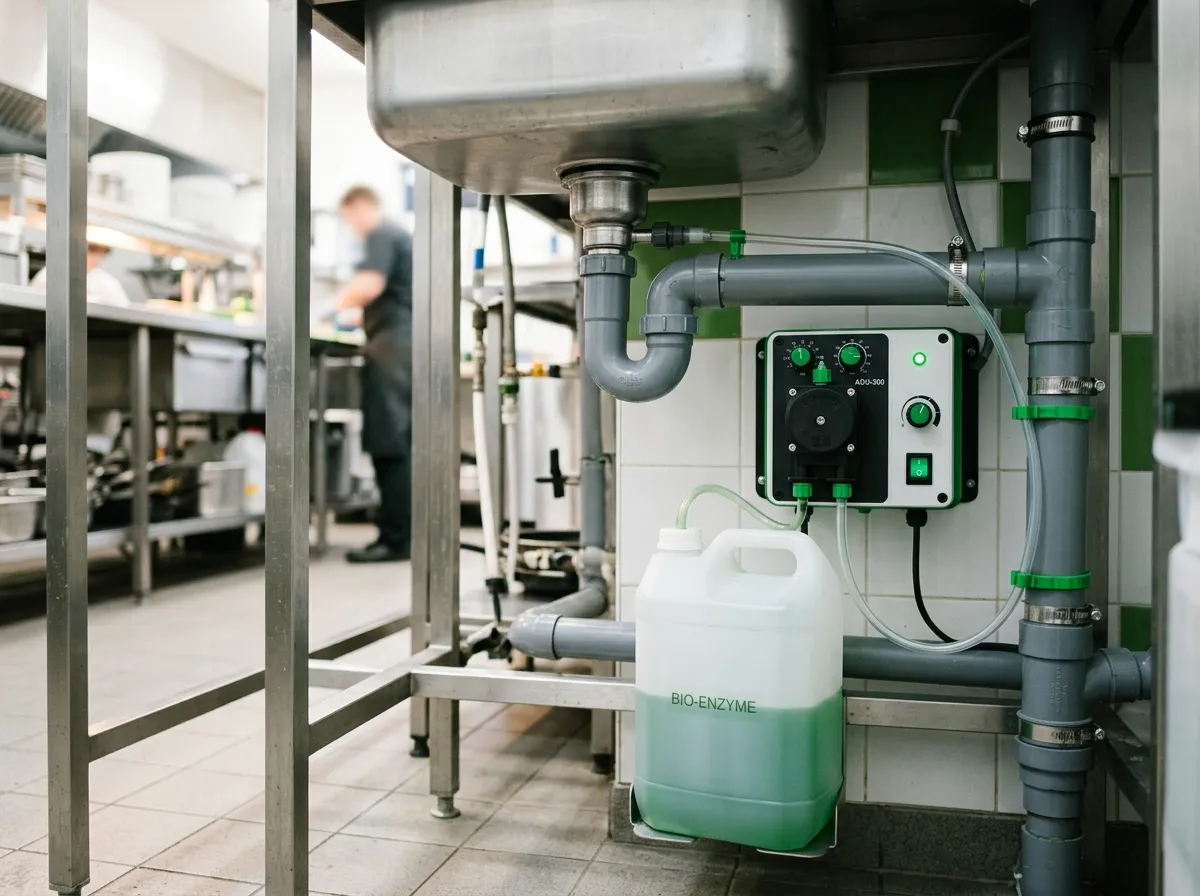
Automatic bio-enzyme dosing unit installed on commercial kitchen plumbing

The Science

Bioaugmentation, in plain terms

Bioaugmentation is the practice of applying selected naturally-occurring microorganisms to the drain lines leading to the grease trap and is intended to improve grease trap effluent quality, reduce odours, and maintain clear flowing drain lines.

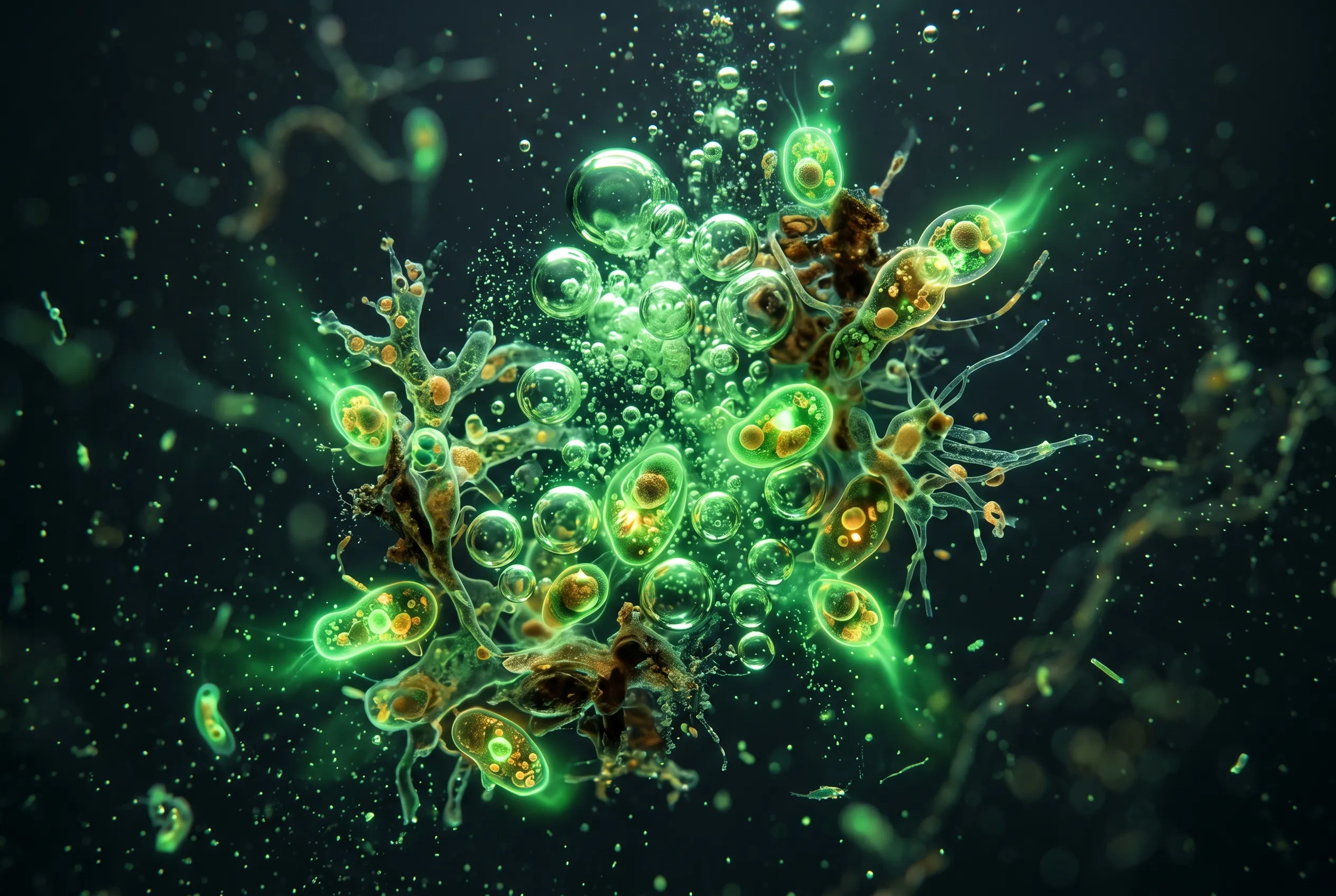
We introduce specially selected bacteria into your drain lines. Those bacteria release enzymes that liquefy and digest grease, fats, organic matter and the compounds that cause odours. The bacteria consume the FOG as food, and the only by-products are water and CO₂.

Because the product is dosed upstream of your grease trap, it goes to work on the fats, oils and grease before they reach the trap — keeping your lines flowing and your trap load lower. It works nature’s way, only faster, and continuously.

Abstract macro visualisation of bio-enzyme microbial digestion in water

The Two-Step Workflow

OPEN, then MAINTAIN

The program runs on two companion products from the BioEnzymes range, in a simple sequence.

1

OPEN — shock & clear

Before ongoing maintenance begins, we run OPEN as a shock treatment. It’s a fast-acting drain opener that clears clogged, sluggish and blocked drains and shocks the grease trap — digesting existing build-up so the program starts on a clean line.

Grease-trap shock: 100 ml per litre of trap capacity, daily, until the trap runs clear.
2

MAINTAIN — daily prevention

Once the line is clear, we switch to MAINTAIN — dosed upstream every day to prevent grease, fats and organic matter building back up. It carries seven enzyme-producing strains and roughly 100 billion microorganisms per gallon, with bleach-, chlorine- and temperature-resistant strains built to survive real kitchen conditions.

Establish biomass at 30 ml/L of trap capacity, then 30 ml/L per day — always dosed upstream.

The Dosing Model

Measured, consistent, set-and-forget

MAINTAIN can be dosed manually or through an automatic dosing unit. In the year-long field study, product was dosed at 600 ml per day into a 5,000-litre trap.

Manual dosing

Product dosed by hand into the drain line upstream of the trap on a set daily schedule — straightforward, with the rate calculated to your trap size.

Automatic dosing

For most kitchens we recommend an automatic dosing unit on the drain line, so dosing is measured, consistent and set-and-forget — no staff task to remember, no missed days.

Hardware spec — to confirm

Install & Ongoing Service

One program, handled end to end

You get plumbing, install, hardware, product and servicing handled — not a shelf of chemicals and a set of instructions.

  1. 1

    Site assessment

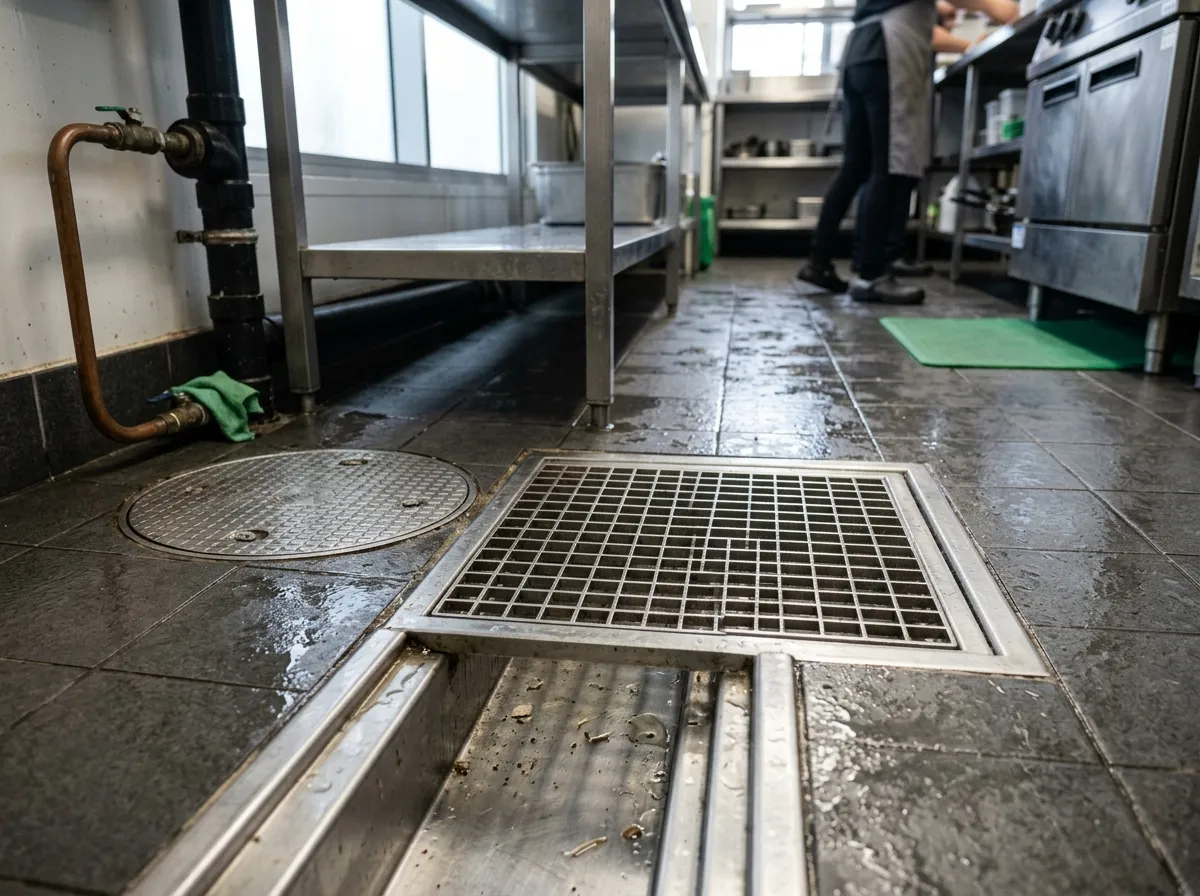
    We assess your kitchen, drain layout, trap size and current maintenance spend.

  2. 2

    Pre-clean (where required)

    Our plumbing partner Yates Plumbing & Gas jet-rods and clears the existing drain lines. This “Jet Rod” pre-clean is included for established and leased sites.

  3. 3

    Install

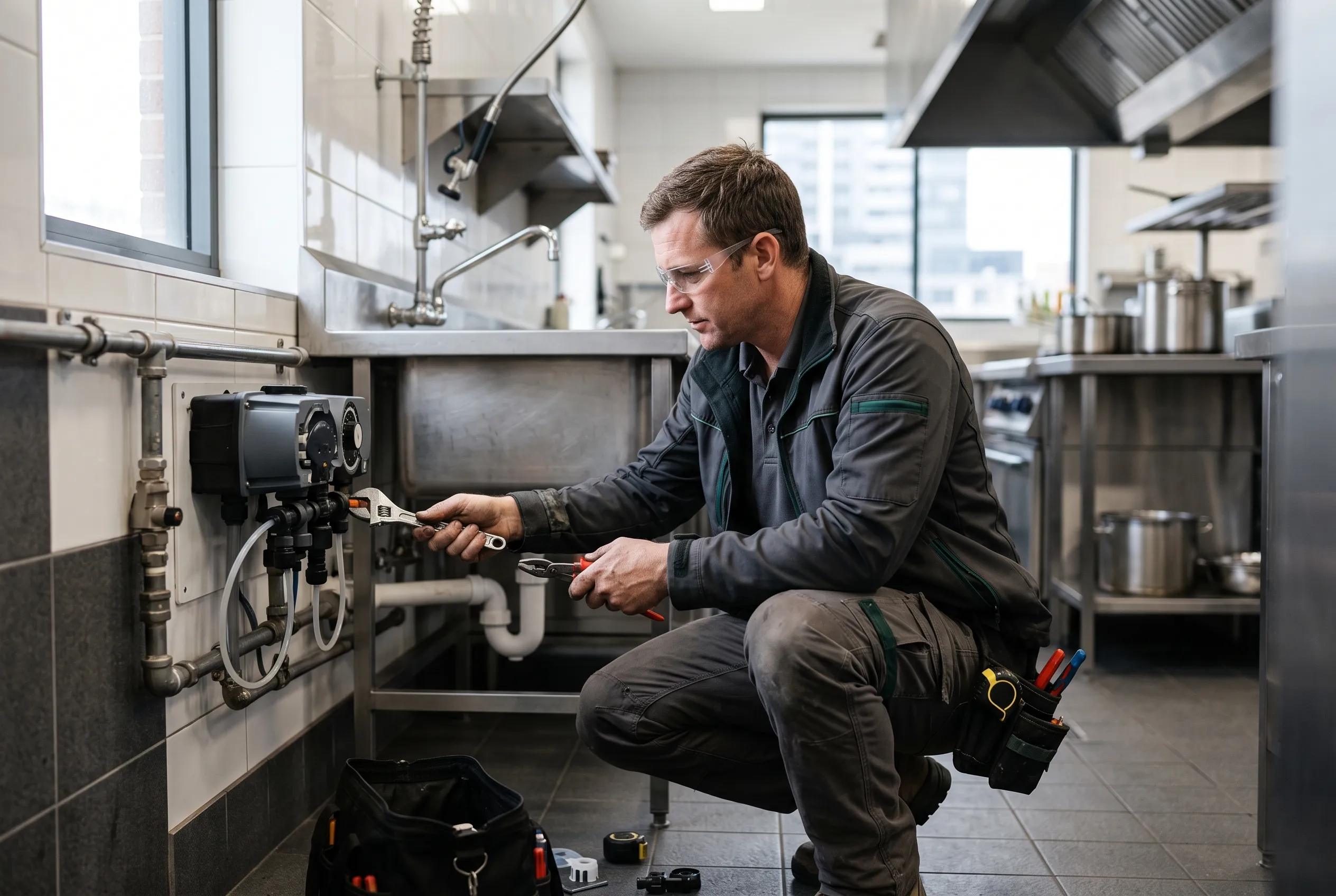
    We fit the dosing unit and set your dosing rate.

  4. 4

    Product & dosing

    OPEN for the initial shock phase, then MAINTAIN for ongoing daily dosing.

  5. 5

    Ongoing service

    Scheduled service visits and product resupply on a monthly or two-monthly cycle, depending on your program.

The Field-Study Case Study

A year-long field study on a working 5,000-litre trap

Dosing MAINTAIN at 600 ml per day across alternating treated and untreated cycles, an independent study measured the change in wastewater load.

33% Reduction in oil & grease
69% Reduction in BOD (biochemical oxygen demand)
88% Reduction in TSS (total suspended solids)

These are field-study results from a single year-long study — not a guaranteed outcome for every site. Nuisance odours from volatile fatty acids and hydrogen sulfide were also significantly reduced, and the cleaned lateral drain line showed no fats-oils-and-grease build-up during treatment. Your results depend on your trap size, kitchen load and dosing program.

Who It’s For

Built for busy commercial kitchens

The program is built for commercial food businesses in Brisbane and surrounds — particularly high-load kitchens facing recurring costs and compliance pressure.

  • Quick-service restaurants and specialty food venues
  • Arcade and food-court kitchens
  • High-grease Asian, wok and noodle kitchens
  • Any venue facing high pump-out costs, blocked drains or trap odours
Clean, modern commercial kitchen with stainless steel benches and overhead skylights

Common Questions

Drain care program — your questions

What is bioaugmentation for grease traps?

Bioaugmentation is the practice of applying selected naturally-occurring microorganisms to the drain lines leading to the grease trap. The bacteria release enzymes that liquefy and digest grease, fats and organic matter, improving grease trap effluent quality, reducing odours, and helping keep drain lines flowing clear.

What is the difference between OPEN and MAINTAIN?

OPEN is a fast-acting shock treatment used first to clear existing grease and fat build-up in drains and grease traps. MAINTAIN is the ongoing daily-dosed product used afterwards to prevent grease, fats and organic matter from building up again.

What results has the program achieved?

In a year-long field study on a 5,000 L grease trap dosed with MAINTAIN at 600 ml/day, bioaugmentation led to field-study results of a 33% reduction in oil and grease, a 69% reduction in BOD, and an 88% reduction in TSS. These are field-study results and are not a guaranteed outcome for every site.

Get Started

See what the program would look like for your venue

Book a free, no-obligation site assessment. We’ll assess your trap and current spend, then send back a tailored quote.